This article unpacks the aggregation model: traffic items and headline specials draw shoppers in, while higher-margin categories such as prepared foods and fresh produce capture the attached purchases. Using Life's category margins, it shows why daily-delivered goods make up over 40 percent of sales yet earn little, and examines operating margins at Life and Yaoko, the logic behind industry M&A, and the category-killer alternative.
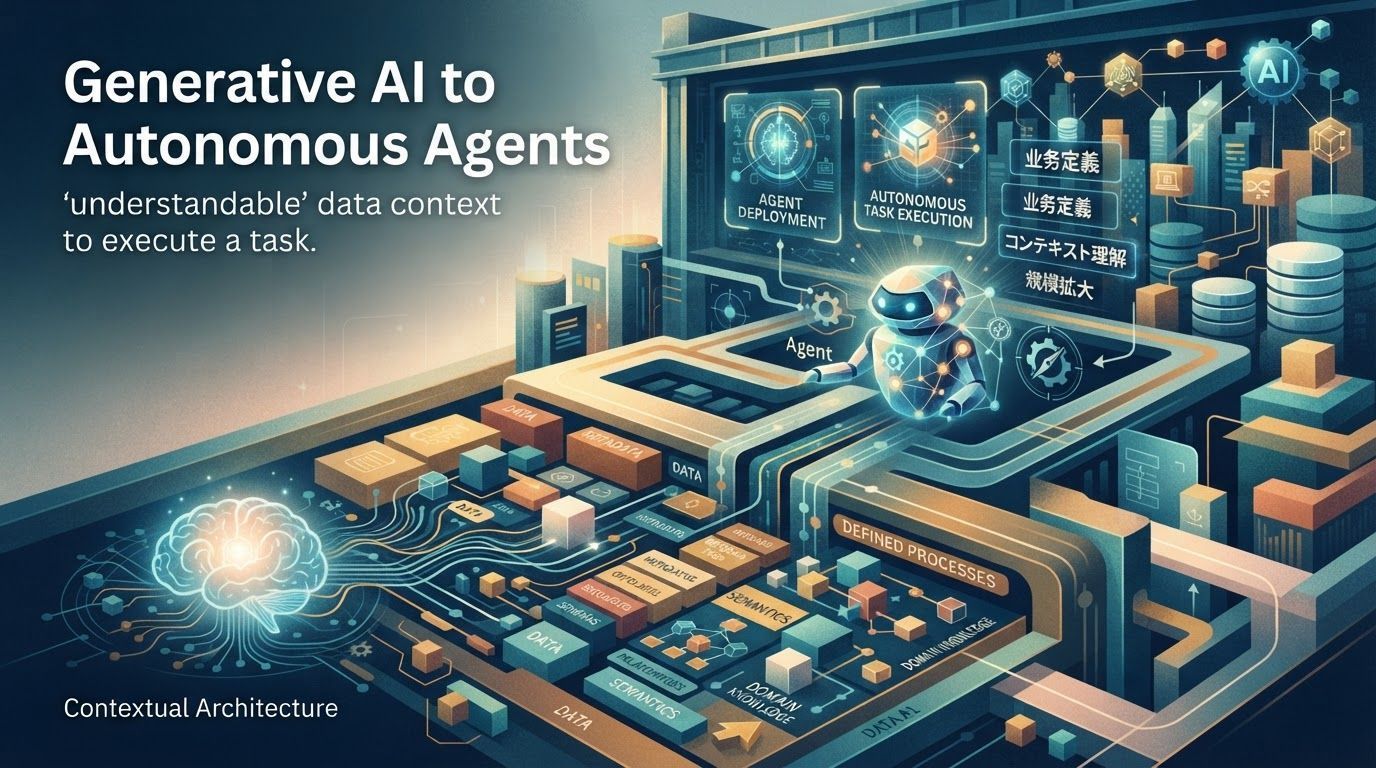
Generative AI is moving from answering questions in a chat box to pursuing goals as an autonomous agent. Drawing on a Google Cloud talk, this article explains why many hallucinations are really missing business definitions, why proofs of concept hit cost, latency, governance, and reproducibility walls at scale, and how a context architecture — data sources, metadata, a semantic layer, and calculation logic — addresses them. It also covers a five-category, 20-run comparison and demos in banking and marketing.
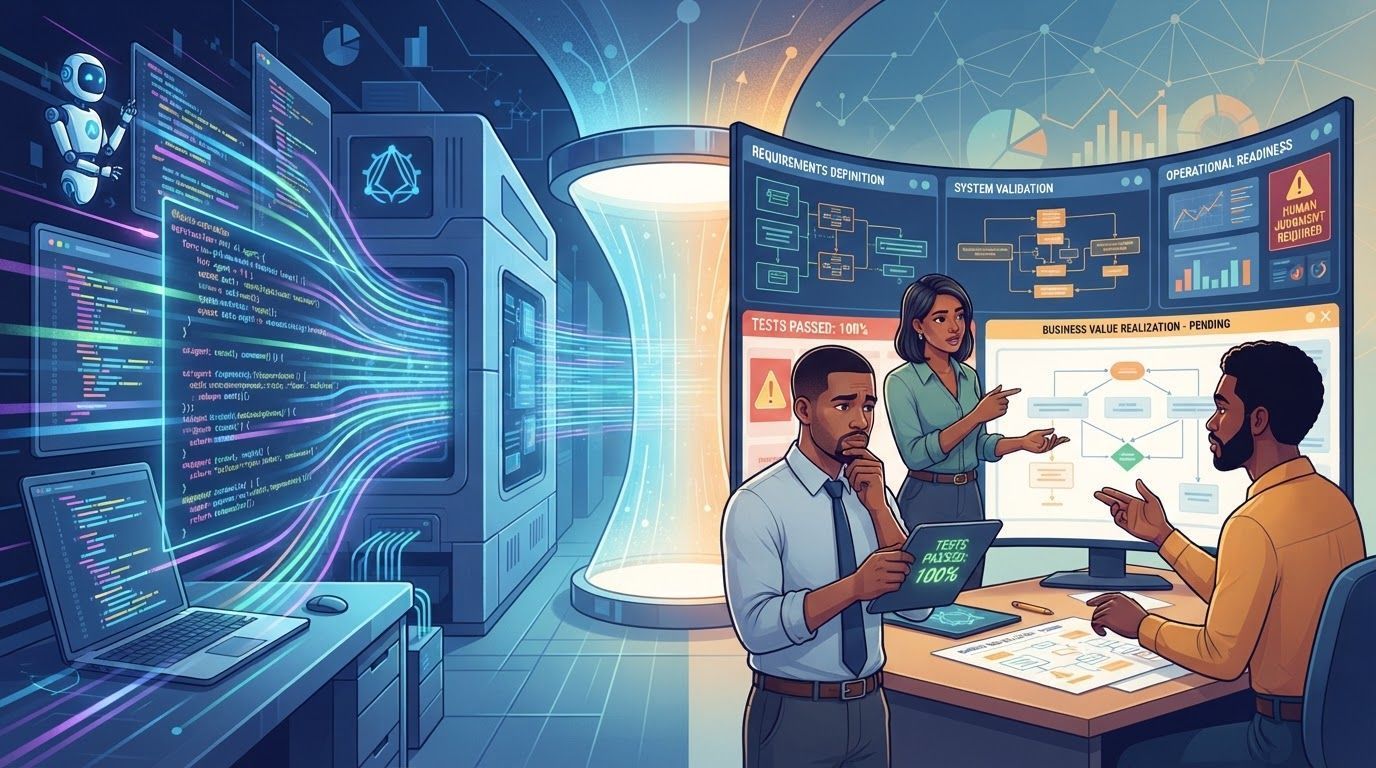
When AI makes coding faster, the bottleneck does not disappear; it moves to requirements, articulation of business knowledge, and verification. Passing tests do not prove product value, and the scarcest people are those who can connect customers, business, and engineering. Drawing on finance and telecom examples, the article examines where AI belongs, what must remain human, and how organizations should start.
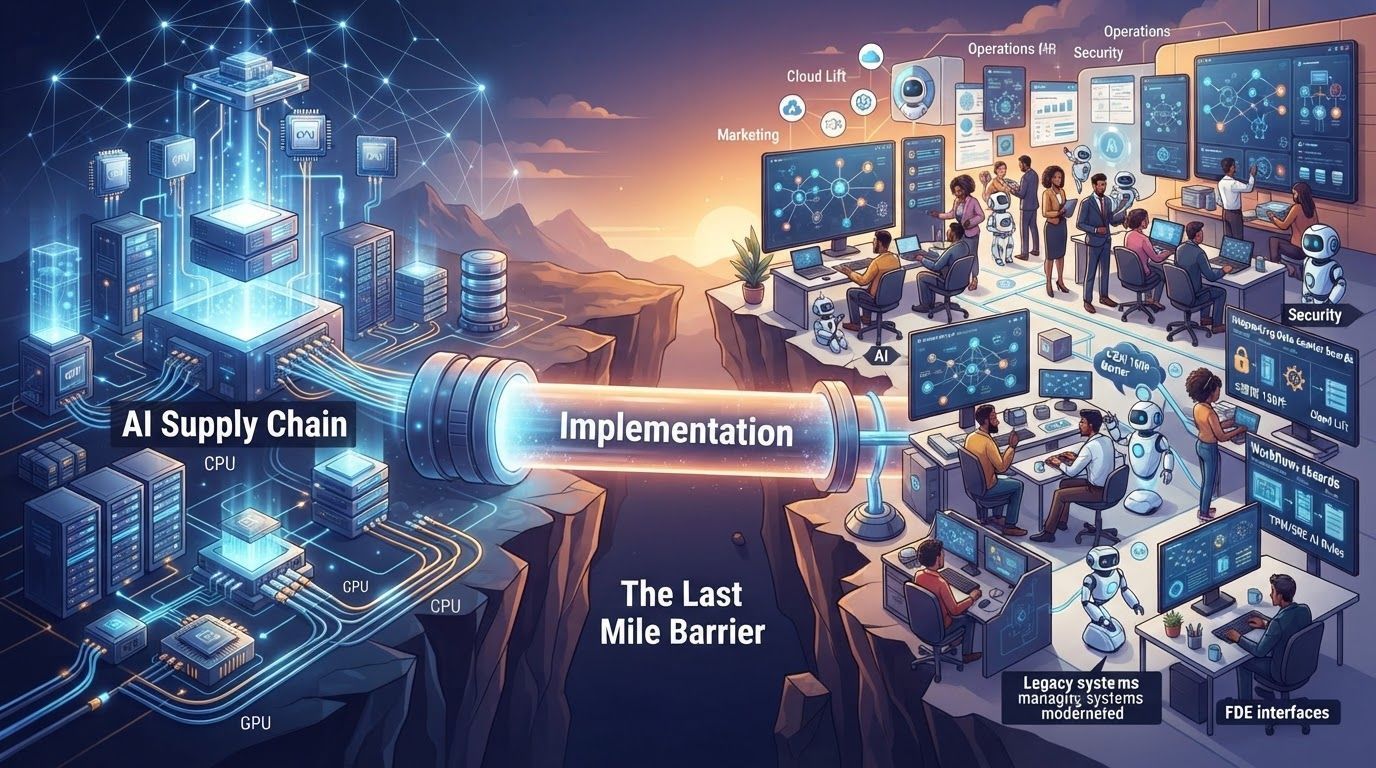
In enterprise AI, the bottleneck is not the model but implementation. A SoftBank speaker places implementation at the end of a chain running from semiconductors and data centers to power and storage, then describes agents across every department, a June security service, the five FDE levels and the system-design judgment that matters most, and why mainframes, COBOL, and missing specs make cloud lift a prerequisite. A six-week batch of 150 requests now takes one person five to eight hours.
Legacy modernization and legacy migration are often used interchangeably. Think of a two-story house: cutting a window into the ground-floor storeroom to run a shop means leaving the house intact and adding an API layer — that is Modernization. Moving to the CBD and redesigning for live-work is Migration; rebuilding the internals as well makes it Re-architect or even Replace. The two are not parallel options: moving is a subset of modernization. To decide, ask whether the load-bearing walls still hold, whether the constraint is the house or the land, and whether the old floor plan can be remodeled for the new business.
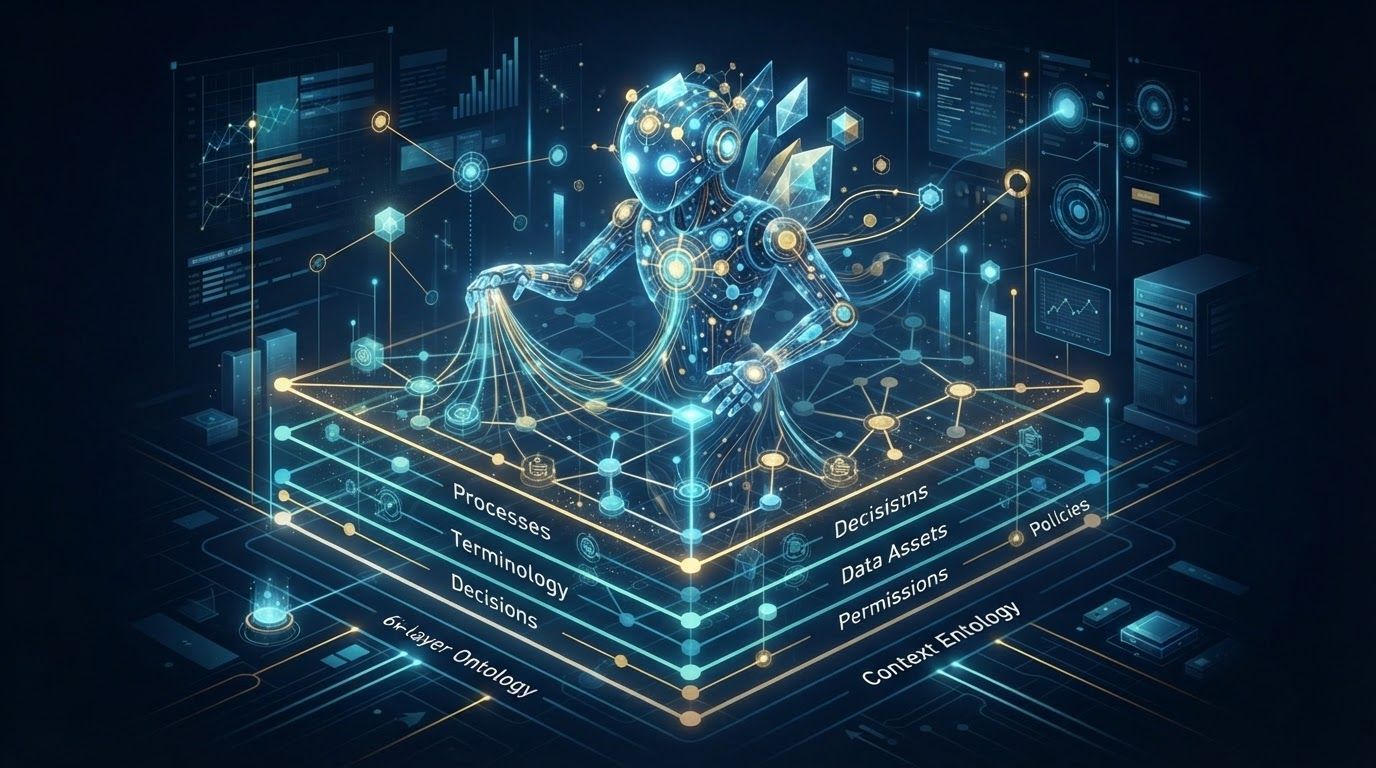
AI agents often fail in the enterprise not because they cannot reason, but because they lack business knowledge. Neo4j's Context Engine organizes processes, terminology, data location, permissions, and past decisions into a six-layer ontology and graph, combining GraphRAG retrieval with memory and learning. This article explains the approach and the questions that remain in private preview.
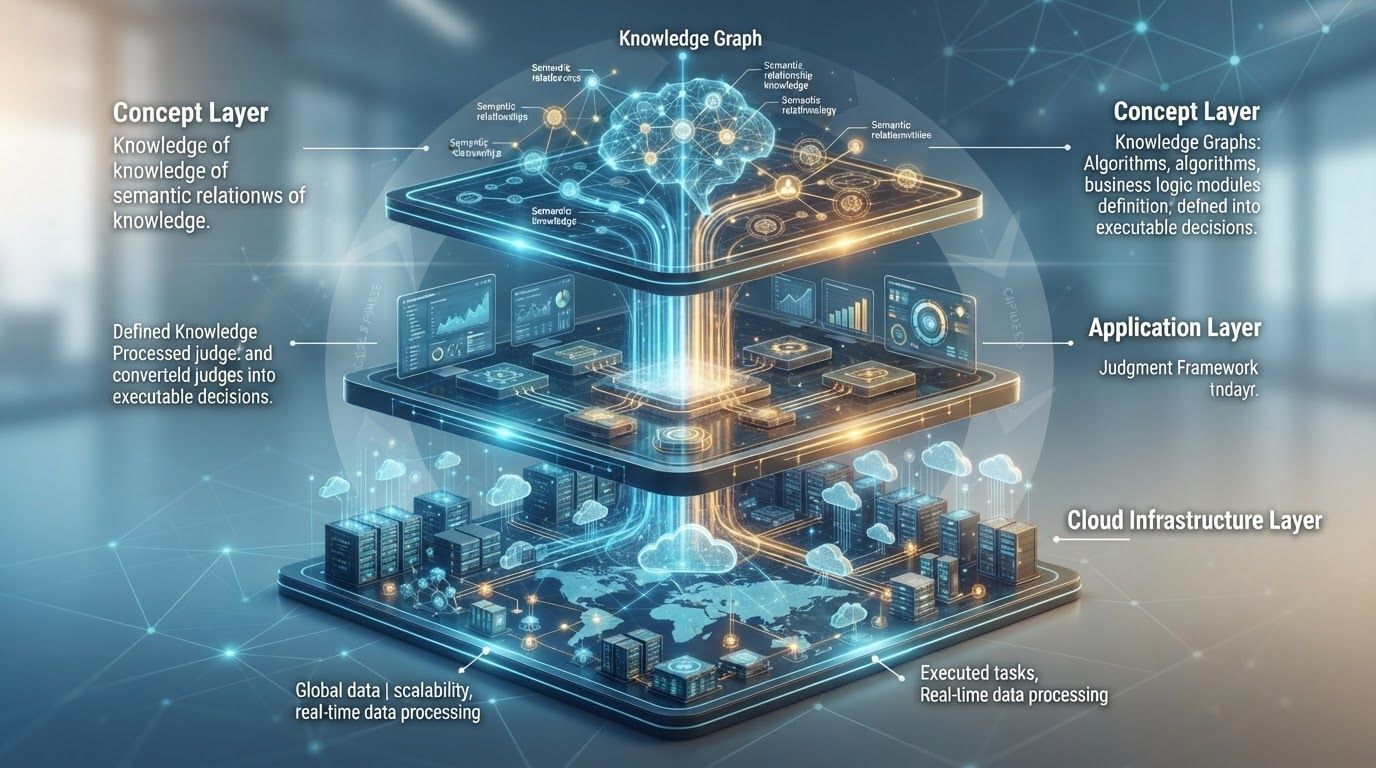
Most enterprise AI proposals stop at “you need a knowledge graph.” This article breaks the problem into three layers: the concept layer that defines what knowledge looks like, the application layer that extracts business logic and makes it judgeable, and the cloud infrastructure layer that lets judgment actually execute. It also covers a judgment framework built on five cycles and six capabilities, a modernization approach that wraps legacy systems in MCP-accessible services, and why intelligence without execution is worthless.
Companies hire, evaluate, and promote with a single standard, then expect non-standard breakthroughs. Alex Karp argues that the most creative people are often the hardest to manage, because real innovation challenges authority. The article connects that tension to the gap between technology and business value, the role of forward deployed engineers, and why tacit knowledge and judgment become the scarcest assets in the AI era.
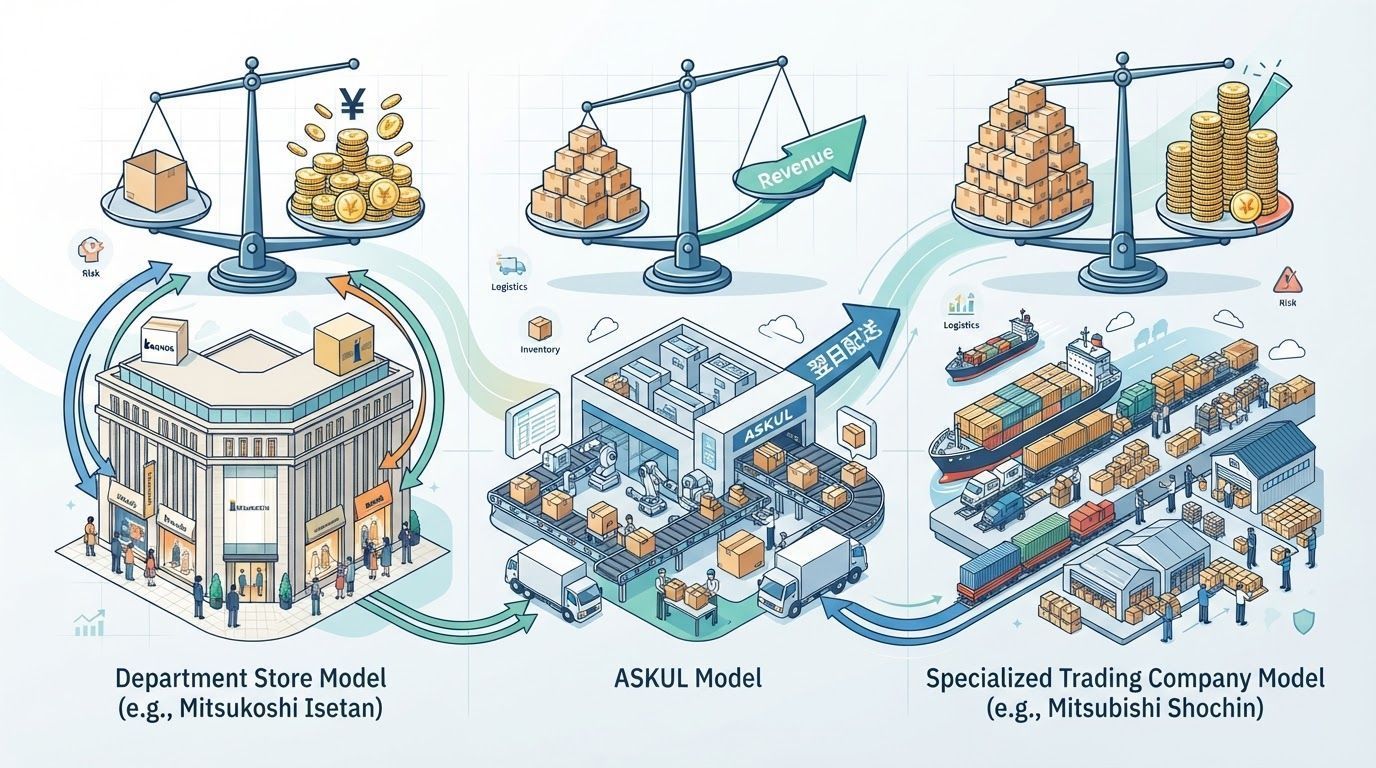
Department stores push inventory risk onto brands through consignment purchasing; Askul holds stock to guarantee next-day delivery while cutting out intermediaries; specialized wholesalers absorb logistics and labor to make thin margins work. Three cases—Isetan Mitsukoshi, Askul, and Mitsubishi Shokuhin—show how who carries each function and risk shapes the economics of distribution.